Navigating Senior Care: Indications Your Loved One Requirements Memory Care Rather of Assisted Living
Business Name: BeeHive Homes of Albuquerque NM - Assisted Living Facility
Address: 6401 Corona Ave NE, Albuquerque, NM 87113
Phone: (505) 221-6400
BeeHive Homes of Albuquerque NM - Assisted Living Facility
BeeHive Village is a premier Albuquerque Assisted Living facility and the perfect transition from an independent living facility or environment. Our Alzheimer care in Albuquerque, NM is designed to be smaller to create a more intimate atmosphere and to provide a family feel while our residents experience exceptional quality care. Memory loss, dementia and Alzheimer's disease are becoming quite pervasive in our society. Dementia care assisted living in Albuquerque NM offers catered memory care services, attention and medication management, often in a secure dementia assisted living in Albuquerque or nursing home setting. We invite you to come and visit our elder care and feel what truly makes us the next best place to home.
6401 Corona Ave NE, Albuquerque, NM 87113
Business Hours
Families typically do not get up one early morning and choose, "It is time for memory care." The decision creeps up slowly, covered in small modifications that are easy to explain away. A missed out on expense here, a charred pan there, a story duplicated 3 times in an hour. For a while, it feels manageable. Then, at some point, a line gets crossed. Security, self-respect, and daily life are no longer reliably supported in a traditional assisted living setting.
Recognizing when that line has actually been crossed is hard, both mentally and virtually. The distinction in between assisted living and memory care is not almost how absent-minded somebody is, or whether they have an official dementia diagnosis. It is about risk, support, and how well an environment really matches what your loved one can still do.
I have sat with many families at that crossroads, some who moved prematurely, many who waited too long. The ones who discovered the very best course were not the ones with the least guilt or the most resources. They were the ones who found out to check out the signs, asked difficult questions, and looked beyond labels like "senior care" or "elderly care" to think thoroughly about fit.
This short article strolls through those indications, the genuine distinctions between assisted living and memory care, and the role of respite care when you are not quite sure what comes next.
Assisted Living vs Memory Care: What Really Changes
On paper, both assisted living and memory care are forms of senior care that offer housing, meals, and assist with daily tasks such as bathing, dressing, and medication. The distinctions live in the details of how they are staffed, protected, and structured.
Assisted living is developed for older grownups who are mostly physically steady and can take part in their own routines, however need help with some activities. They might need pointers to take medications, help getting in and out of the shower, or assistance with housekeeping and meals. Personnel check in, however locals typically have a reasonable quantity of independence and complimentary motion around the building and grounds.
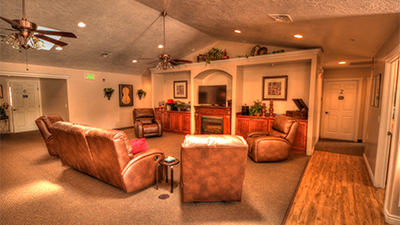
Memory care, by contrast, is built around individuals with Alzheimer's illness or other types of dementia who have considerable cognitive changes. The physical environment is typically more safe and secure, sometimes with locked doors or kept track of exits, not to send to prison individuals but to avoid unsafe roaming or getting lost. Personnel get specialized training in dementia care, communication strategies, and behavior management. Life is more structured, with predictable regimens and activities customized to individuals who may not initiate tasks on their own or remember instructions.
Families often presume that "assisted living with memory care services" suggests a single, versatile design. In practice, many neighborhoods have two very various neighborhoods: a basic assisted living side, and a different dedicated memory care system with its own style and staffing. Moving from one to the other is not simply an internal transfer. It needs psychological change, brand-new relationships, and sometimes a different financial structure.
Understanding that difference is essential, due to the fact that it shows why some requirements can be consulted with a few additional assistances in assisted living, while others truly require a memory care environment.
When Lapse of memory Becomes a Safety Problem
Everyone misplaces keys. Even healthy older grownups duplicate stories or battle periodically with names. That alone does not signal the need for memory care.
The shift toward memory care typically starts when cognitive changes stop being peculiarities and start developing danger. A few situations I see frequently:
A resident in assisted living begins leaving the range on, sometimes with towels or paper bags close by. Personnel can add reminders, get rid of particular home appliances, or institute security checks. When that is still insufficient, and the individual does not keep in mind to comply with security plans, it points to a deeper issue.
Another resident calls the front desk every half hour since she can not remember where she is or why she remains in this structure at all. Staff assure her consistently, but the distress does not relieve. It overflows into nighttime, with frequent awakenings and roaming into other citizens' spaces. She is not simply forgetful, she is disoriented.
A third resident begins implicating caregivers of stealing, rearranging furniture in odd methods, concealing products in the freezer, and trying to leave the building since "this is not my house." Stress and anxiety and suspicion trip on top of memory loss, and reassurance works just briefly.

In each case, the genuine problem is not just that memory is decreasing. It is that the assisted living environment is no longer designed to match the person's internal truth. The resident requirements a setting where safety is incorporated into the design, where staff expect and comprehend these habits, and where routines assist to relieve confusion rather of amplifying it.
Key Indications Assisted Living Might No Longer Be Enough
Families frequently request something concrete: a checklist or threshold that says, "Now it is time for memory care." No single indication should drive the choice, however when numerous of the following continue regardless of additional support in assisted living, it is time to reconsider the level of care.
Here is the very first of 2 quick lists in this short article, concentrated on patterns that normally indicate assisted living is no longer the best fit:
- Frequent roaming or exit looking for, particularly attempts to leave the structure or consistently going into other locals' rooms
- Unsafe behaviors that continue in spite of adjustments, such as leaving home appliances on, misusing medications, or handling sharp items unsafely
- Significant disorientation to time or location, such as not understanding where they live, insisting they require to "go home," or believing departed relatives are still alive and awaiting them
- Ongoing distress, fear, or agitation in the current environment that personnel interventions are not easing
- Increasing requirement for one-to-one pointers or guidance that exceeds what assisted living staff can securely supply to all residents
This list is not exhaustive, but it reflects the sort of patterns that push personnel and families to consider a structured memory care environment.
The Function of Behavior and Personality Changes
Memory loss is only part of dementia. Changes in judgment, impulse control, insight, and character frequently trigger more trouble daily than basic forgetfulness.
In early phases, a resident in assisted living might compensate well. They follow cues from others, blend into group activities, and lean on family members for help behind the scenes. Gradually, however, more subtle shifts can strain the system.
You might observe an as soon as mild parent becoming irritable or verbally aggressive when redirected. They may accuse you of lying, firmly insist caretakers are "out to get them," or decline to bathe since they no longer understand why it matters. Personnel may report that your loved one is chewing out roomies, resisting care, or wandering into the dining room partly dressed.
It is natural for families to feel defensive when they first hear these reports. "Mom has always persisted." "Dad never ever liked being told what to do." Sometimes that is true, and a couple of tailored strategies in assisted living can assist. Personnel can adjust how they approach care, switch caregivers, or include favorite music to routines.
The turning point comes when behavior modifications stem straight from brain disease in a way that simple adjustments can not dependably handle. For instance, a resident who:
- Regularly becomes physically resistive throughout care, striking or pushing caretakers without understanding the danger
- Reacts with severe worry or agitation when approached, since they do not recognize personnel or believe complete strangers are attempting to undress them
These responses are common in dementia, and they do not make your loved one a "issue." They do, nevertheless, require a care group trained specifically in dementia behaviors, with greater staffing ratios, calm spaces to de-escalate, and consistent routines that reduce triggers. Memory care systems are generally better geared up for this than standard assisted living.
When Nighttime Becomes Unmanageable
Sleep and sundowning patterns frequently tip the scale towards memory care. Many individuals with dementia experience increased confusion, agitation, or stress and anxiety in the late afternoon and night. They might rate, call out, or attempt to leave, believing they need to get children or get to work.
In assisted living, where staffing in the evening is lower and residents are expected to sleep the majority of the time, someone's distress can interrupt the whole corridor. Staff do their finest, however they may be responsible for lots of residents at once. A bachelor who is up, roaming, and requiring reassurance every 20 minutes can quickly exceed what they can securely manage.
In memory care, nighttime regimens are often developed with these patterns in mind. Lights, sound levels, and staffing are adjusted. Personnel are trained to respond to sundowning patterns with comfort steps, peaceful engagement, and ecological hints instead of solely medication. There may be safe, enclosed walking courses or little typical locations where residents can move without risk.
If your loved one in assisted living is getting frequent calls about nighttime wandering, falls out of bed, or disruptive habits, think about whether they now need an environment where 24-hour supervision belongs to the design, not an exception.
Medical Requirements vs Cognitive Needs
Sometimes families presume that memory care is for individuals with "simply memory concerns," while assisted living is for those with physical needs. The truth is more nuanced.
Assisted living can support a large range of physical limitations: walkers, wheelchairs, incontinence, and persistent illnesses like diabetes or cardiovascular disease. Staff aid with medications, however they generally do not supply complex treatment such as IV therapy or ventilators. Those circumstances fall under competent nursing or rehabilitation, not typical memory care or assisted living.
Memory care can likewise handle a number of those physical requirements, but it layers cognitive support on top: cueing, simplified guidelines, repeating, and modified environments. The tipping point toward memory care often shows up when cognitive changes prevent an individual from securely handling their health, even with basic support.
For example, a resident with diabetes may when have comprehended why blood sugar level checks and insulin dosages matter. With advancing dementia, they might refuse finger sticks, pull off keeping track of devices, or eat other citizens' food without understanding the danger. In assisted living, this can quickly become risky. In memory care, personnel are trained to include health tasks into foreseeable regimens, use mild redirection, and produce food environments that lower temptation and confusion.
A strong rule of thumb: if cognitive modifications are the primary driver of risk, memory care is more likely to be the right fit, even if physical requirements are modest.
The Hidden Strain on Family and Staff
Many households overestimate what assisted living staff can do and underestimate what they themselves are doing.
I often fulfill adult children who visit day-to-day to fill in the spaces: establishing pill boxes, arranging laundry, calming their parent after paranoid episodes, or remaining for supper to make certain they in fact consume. The community might be doing its job, but the safety and psychological stability of the circumstance rests on the household's shoulders.
When those household supports slip, problems surface rapidly. A child who goes on a week-long work trip returns to discover her father dehydrated, more confused, and unstable. A son who generally handles paperwork recognizes that his mother refused to let personnel in for 2 days, insisting they were burglars.
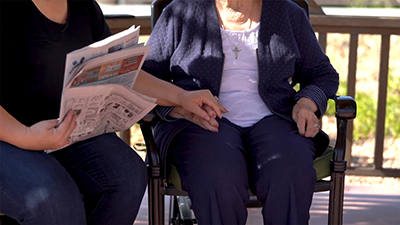
This is where respite care can be a helpful bridge. Numerous memory care and assisted living neighborhoods use short-term stays, from a few days to a couple of weeks, particularly to offer caregivers a break or to check how a higher level of care fits. Throughout a respite stay in a memory care unit, staff can observe how your loved one functions in a secure, structured environment. Families often learn more in seven days of respite care than in months of brief visits.
If you discover that your own participation is the glue keeping an assisted living plan together, ask yourself two concerns:
First, is this sustainable, mentally and physically, for you? Second, if something abrupt kept you away for a week or 2, would your loved one still be safe and supported?
If the honest answer to either is "no," it might be time to assess memory care more seriously.
How to Use Professional Evaluations Wisely
Most trusted senior care neighborhoods will not transfer a resident from assisted living to memory care without some type of assessment. This may involve the neighborhood nurse, a checking out geriatrician, a neurologist, or an outside care manager.
Families sometimes feel protective or judged throughout these assessments. It can help to reframe them as tools, not verdicts. A few ideas from what I have actually seen work well:
Share genuine examples, not just basic impressions. Instead of "She gets baffled sometimes," point out the recent occurrence where she tried to leave the building to "get to the workplace," or the time she called 911 because she thought personnel were intruders.
Ask about staff capacity honestly. "Given your staffing and design, the number of homeowners like my dad can you safely support in assisted living? Where is the tipping point?"
Bring in outside voices if required. Geriatric care managers, social employees, and neurologists can offer a more neutral view, specifically if member of the family disagree about the level of care needed.
Pay attention to how communities speak about memory care. Are they explaining it as a location of last option, or as an attentively designed community with activities, regimens, and dignity? That culture matters for quality of life.
Professional assessments are not perfect, but they frequently bring up patterns families have actually normalized. Usage that info to guide decisions, not to assign blame.
What Good Memory Care Looks Like
Many families dread the concept of memory care because they visualize locked units and loss of flexibility. That fear is easy to understand, particularly if their only referral point is older-style facilities. The truth has actually improved in lots of regions, though quality varies.
In well-run memory care neighborhoods, the security is present however subtle. Doors may be secured with keypads or delayed egress, yet hallways are bright, decorated with familiar objects, and set out in basic loops so residents can walk without hitting dead ends. Outside areas are typically enclosed courtyards, enabling fresh air and movement without risk of elopement.
Staff discover residents' biography: tasks they held, pastimes they enjoyed, music they enjoyed. Activities are less about official classes and more about significant engagement. Folding towels, watering plants, arranging hardware, or checking out photo books can provide a sense of purpose and calm.
Language matters. Staff who speak of "fulfilling individuals where they are" rather than assisted living near me "reorienting them to truth" typically handle confusion with more respect. Instead of arguing that a departed spouse has passed away, they may state, "Inform me about your better half. You actually miss her," then gently reroute to an image or a cup of tea.
Family visits can feel various too. Rather of costs every visit solving practical issues, adult kids can focus more on companionship. They might sign up with a music group, share a snack on the outdoor patio, or simply sit with their loved one while personnel manage personal care.
When families see this in action, the narrative frequently moves. The transfer to memory care becomes less about "quiting" and more about matching the environment to the individual's current abilities and needs.
Gray Areas and Edge Cases
Not every situation fits nicely into "assisted living" or "memory care." Some people with dementia stay physically robust and socially proficient, able to camouflage deficits for unexpected stretches of time. Others have substantial physical requirements but fairly maintained memory.
In gray areas, think about a few assisting questions:
How quickly are things changing? A resident with gradually progressing problems who is steady in assisted living, and who responds well to added assistances, may not require to move immediately. Somebody whose function has actually declined considerably over 6 months needs a more proactive plan.
Can risks be realistically reduced? Installing door alarms, getting rid of small devices, or changing medication timing might buy time. If those actions require continuous alertness to be reliable, they might not hold true solutions.
What does your loved one value most? Some individuals prioritize familiarity and independence, even with more risk. Others focus on predictability and calm. Their long held worths ought to notify just how much risk you tolerate at home or in assisted living before moving.
In these borderline cases, respite care in a memory system can be specifically informative. A 2 week stay can expose whether your loved one settles into the structure or becomes more disoriented by the change. Either outcome offers useful guidance.
Practical Actions When You Suspect It Is Time to Move
Once the idea "I believe we might need memory care" appears, it rarely disappears. Families can feel paralyzed there, uncertain how to move from unclear concern to real decisions.
This is the 2nd and final list in this short article, concentrated on concrete next steps:
- Start a habits and security log, noting dates and quick descriptions of occurrences such as wandering, falls, or considerable confusion
- Schedule a comprehensive evaluation with a geriatrician, neurologist, or experienced primary care company, bringing your log and specific concerns about level of care
- Meet with the existing assisted living group to ask frankly what they are seeing and what they think they can securely handle over the next 6 to 12 months
- Tour a minimum of 2 or three memory care neighborhoods, preferably at various times of day, to observe interactions, staffing levels, and the general atmosphere
- Explore respite care alternatives, either in memory care or assisted living with improved assistance, to evaluate how your loved one responds before making a permanent move
These steps offer you more information and lower the sense that you are choosing based upon a single crisis or a wave of guilt.
Balancing Safety, Dignity, and Love
At its core, the choice in between assisted living and memory care has to do with balancing 3 things: safety, self-respect, and love.
Safety without dignity can feel like jail time. Dignity without safety can slide into neglect. When households and care teams interact truthfully, memory care can support both, offering an environment where an older adult with dementia can move, engage, and be themselves within boundaries that keep them from harm.
Love, in this context, in some cases appears like accepting that your function should change. You move from being the main hands-on caretaker to being the historian, advocate, and psychological anchor. Senior care professionals manage the daily logistics, while you spend more time on the pieces only you can use: shared memories, familiar jokes, the particular way you hold their hand.
No checklist or short article can make this transition simple. What it can do is assist you acknowledge the indications previously, understand the alternatives more clearly, and stroll into the conversation with your eyes open.
If you discover yourself asking, "Is assisted living still enough, or does my loved one requirement memory care?" You are already doing among the most important things: focusing. From that beginning point, with mindful observation, professional input, and the thoughtful usage of respite care and other assistances, you can chart a path that honors both who your loved one has been, and who they are now.
BeeHive Homes of Albuquerque NM - Assisted Living Facility provides assisted living care
BeeHive Homes of Albuquerque NM - Assisted Living Facility provides memory care services
BeeHive Homes of Albuquerque NM - Assisted Living Facility provides respite care services
BeeHive Homes of Albuquerque NM - Assisted Living Facility supports assistance with bathing and grooming
BeeHive Homes of Albuquerque NM - Assisted Living Facility offers private bedrooms with private bathrooms
BeeHive Homes of Albuquerque NM - Assisted Living Facility provides medication monitoring and documentation
BeeHive Homes of Albuquerque NM - Assisted Living Facility serves dietitian-approved meals
BeeHive Homes of Albuquerque NM - Assisted Living Facility provides housekeeping services
BeeHive Homes of Albuquerque NM - Assisted Living Facility provides laundry services
BeeHive Homes of Albuquerque NM - Assisted Living Facility offers community dining and social engagement activities
BeeHive Homes of Albuquerque NM - Assisted Living Facility features life enrichment activities
BeeHive Homes of Albuquerque NM - Assisted Living Facility supports personal care assistance during meals and daily routines
BeeHive Homes of Albuquerque NM - Assisted Living Facility promotes frequent physical and mental exercise opportunities
BeeHive Homes of Albuquerque NM - Assisted Living Facility provides a home-like residential environment
BeeHive Homes of Albuquerque NM - Assisted Living Facility creates customized care plans as residents’ needs change
BeeHive Homes of Albuquerque NM - Assisted Living Facility assesses individual resident care needs
BeeHive Homes of Albuquerque NM - Assisted Living Facility accepts private pay and long-term care insurance
BeeHive Homes of Albuquerque NM - Assisted Living Facility assists qualified veterans with Aid and Attendance benefits
BeeHive Homes of Albuquerque NM - Assisted Living Facility encourages meaningful resident-to-staff relationships
BeeHive Homes of Albuquerque NM - Assisted Living Facility delivers compassionate, attentive senior care focused on dignity and comfort
BeeHive Homes of Albuquerque NM - Assisted Living Facility has a phone number of (505) 221-6400
BeeHive Homes of Albuquerque NM - Assisted Living Facility has an address of 6401 Corona Ave NE, Albuquerque, NM 87113
BeeHive Homes of Albuquerque NM - Assisted Living Facility has a website https://beehivehomes.com/locations/albuquerque/
BeeHive Homes of Albuquerque NM - Assisted Living Facility has Google Maps listing https://maps.app.goo.gl/3oqufzNUPNMqK22LA
BeeHive Homes of Albuquerque NM - Assisted Living Facility has Facebook page https://www.facebook.com/BeeHiveHomesAbq
BeeHive Homes of Albuquerque NM - Assisted Living Facility has an YouTube page https://www.youtube.com/channel/UCNFwLedvRtjtXl2l5QCQj3A
BeeHive Homes of Albuquerque NM - Assisted Living Facility won Top Assisted Living Homes 2025
BeeHive Homes of Albuquerque NM - Assisted Living Facility earned Best Customer Service Award 2024
BeeHive Homes of Albuquerque NM - Assisted Living Facility placed 1st for Senior Living Communities 2025
People Also Ask about BeeHive Homes of Albuquerque NM
What is BeeHive Homes of Albuquerque NM Living monthly room rate?
The rate depends on the level of care that is needed. We do a pre-admission evaluation for each resident to determine the level of care needed. The monthly rate is based on this evaluation. There are no hidden costs or fees
Can residents stay in BeeHive Homes until the end of their life?
Usually yes. There are exceptions, such as when there are safety issues with the resident, or they need 24 hour skilled nursing services
Do we have a nurse on staff?
Yes. We have a registered nurse on premise 40 hours/week. In addition, we have an on-call nurse for any after-hours needs
What are BeeHive Homes’ visiting hours?
Visiting hours are adjusted to accommodate the families and the resident’s needs… just not too early or too late
Do we have couple’s rooms available?
Yes, each home has rooms designed to accommodate couples. Please ask about the availability of these rooms
Where is BeeHive Homes of Albuquerque NM located?
BeeHive Homes of Albuquerque NM is conveniently located at 6401 Corona Ave NE, Albuquerque, NM 87113. You can easily find directions on Google Maps or call at (505) 221-6400 Monday through Sunday 9:00am to 5:00pm
How can I contact BeeHive Homes of Albuquerque NM?
You can contact BeeHive Homes of Albuquerque NM - Assisted Living Facility by phone at: (505) 221-6400, visit their website at https://beehivehomes.com/locations/albuquerque/ or connect on social media via Facebook TikTok or YouTube
Take a drive to Cracker Barrel Old Country Store. Cracker Barrel Old Country Store offers familiar comfort food that residents in assisted living, memory care, senior care, elderly care, and respite care can enjoy during relaxed meals.